

Hidden Dangers Not Teaching Kids to Swim Early
Introduction
The hidden dangers not teaching kids to swim early are often overlooked by well-meaning parents.
Many parents believe swimming is something children can pick up later. Kids are busy. School, homework, enrichment classes, and family schedules fill the calendar. Swimming often gets pushed down the priority list, especially if there has never been a close call.
But here is the uncomfortable truth.
Not teaching children to swim early carries risks that most parents do not realise until it is too late.
These risks are rarely dramatic at first. They are quiet, gradual, and misunderstood. In a country like Malaysia, where water is part of daily life, delaying swimming lessons can create serious long-term consequences.
This article is not meant to scare parents. It is meant to inform, empower, and protect.
Why “We’ll Teach Swimming Them Later” Is Riskier Than It Sounds
Many parents assume their child is careful. They believe adults will always be around the pool. They plan to start lessons when their child is older.
Unfortunately, drowning is silent and fast. According to the World Health Organization, it remains one of the leading causes of accidental death among children worldwide.
Most childhood water incidents do not happen during lessons. They happen in residential pools, relatives’ houses, birthday parties, hotels, and homestays. Often adults are nearby but distracted.
The real danger is not just supervision. It is lack of water competence.
That is where the hidden dangers not teaching kids to swim early begin.
Hidden Danger 1 : False Confidence Around Water
View this post on Instagram
Children who grow up around pools without proper instruction often develop false confidence.
They may splash and play comfortably. They may cling to the wall. They may float briefly.
This creates the illusion that they are fine in water.
Comfort is not competence.
Without proper skills, children panic when they lose footing. They cannot recover after submersion. They struggle to breathe correctly. They exhaust themselves quickly.
False confidence increases risk because children take chances they are not prepared for.
Hidden Danger 2 : Panic Instead of Survival Response
When a child who has not learned to swim falls into water unexpectedly, instinct takes over.
Without training, panic replaces problem solving. Breathing becomes erratic. Arms flail instead of propelling. Energy drains within seconds.
Early swimming lessons build automatic responses. Children learn to roll to their back, float calmly, control breathing, kick toward safety, and stay oriented.
These reactions must be practiced early before fear overrides logic.
Hidden Danger 3 : Fear That Becomes Harder to Undo
One of the hidden dangers not teaching kids to swim early is delayed fear.
Children who miss early exposure often develop deeper fear later. This may come from a near-drowning experience, embarrassment, being forced into water, or feeling behind peers.
The older the child, the harder it becomes to build trust with a coach. Letting go of control becomes more difficult. Learning in groups feels intimidating.
Early lessons normalise water as predictable and safe.
Hidden Danger 4 : Reduced Learning Ability Under Stress
Swimming is neurological as well as physical.
Children who start early develop stronger coordination, better body awareness, and smoother motor patterns.
When swimming is delayed, fear interferes with learning. Muscles tense. Breathing becomes irregular. Progress slows and frustration increases.
Early swimmers learn before self-consciousness and anxiety become barriers.
Hidden Danger 5 : Over Reliance on Floatation Aids
View this post on Instagram
Many parents rely on arm floats, life jackets, or constant adult supervision.
These tools have value, but without proper instruction they can create dependency.
Children who do not learn to swim early may freeze when not holding something. They may panic when floatation slips. They may assume rescue will always be immediate.
Swimming lessons build self rescue skills, not reliance.
Hidden Danger 6 : Missing the Natural Learning Window
There is a developmental window between ages three and six when coordination develops rapidly and fear responses are lower.
Children in this stage learn faster, resist less, and retain skills longer.
Delaying swimming lessons often means greater resistance later, slower progress, and more frustration for both child and parent.
Which is why we recommend our 4-days intensive program for busy parents so that their children can learn swimming earlier, without sacrificing parents precious time.
Hidden Danger 7 : Social and Emotional Impact
Swimming is social.
School activities, birthday parties, holiday trips, and camps often involve water.
Children who cannot swim may avoid participation. They may feel embarrassed or left out. They may develop avoidance behaviours.
Learning to swim early builds belonging and confidence, not just safety.

Early Does Not Mean Aggressive
Many parents worry that early swimming will be traumatic.
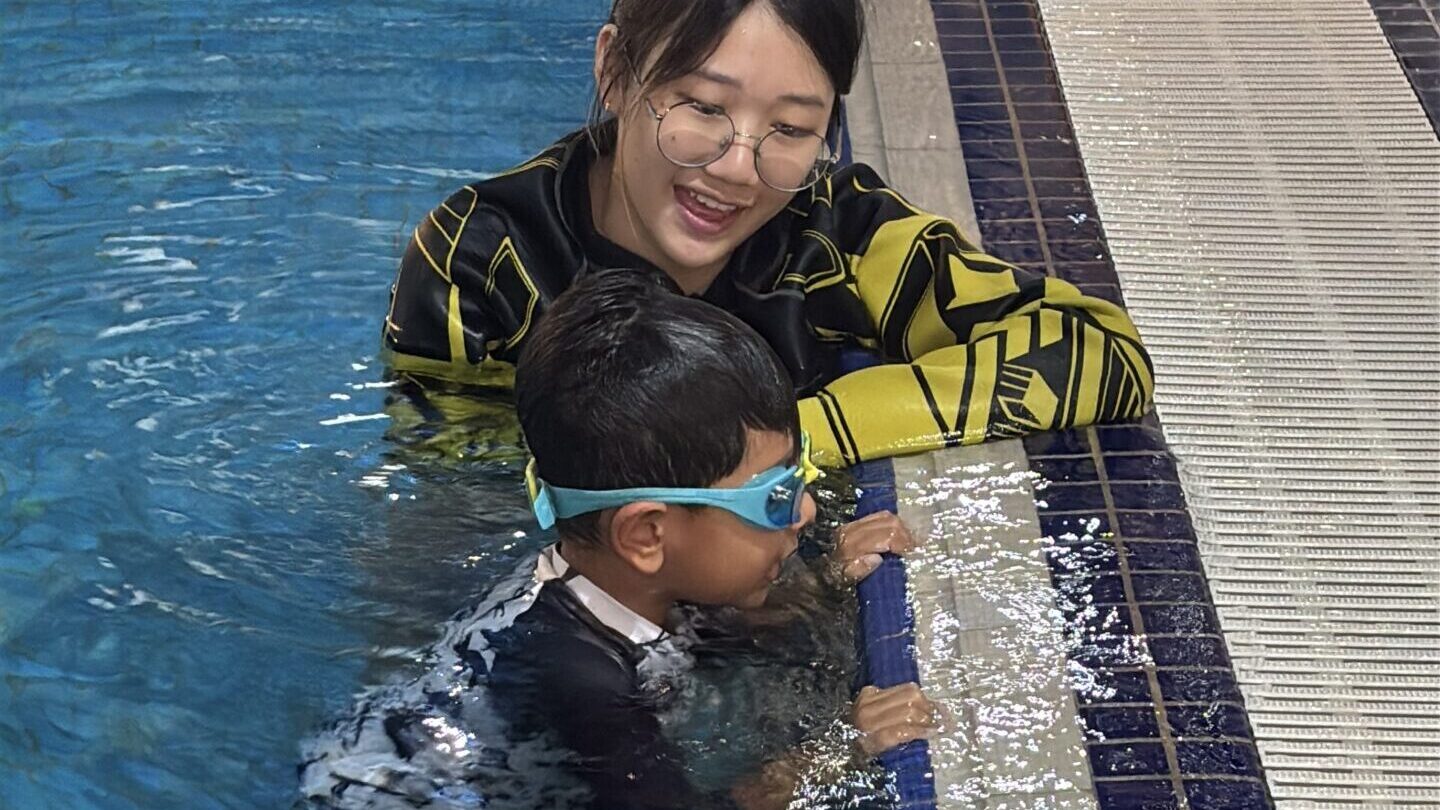
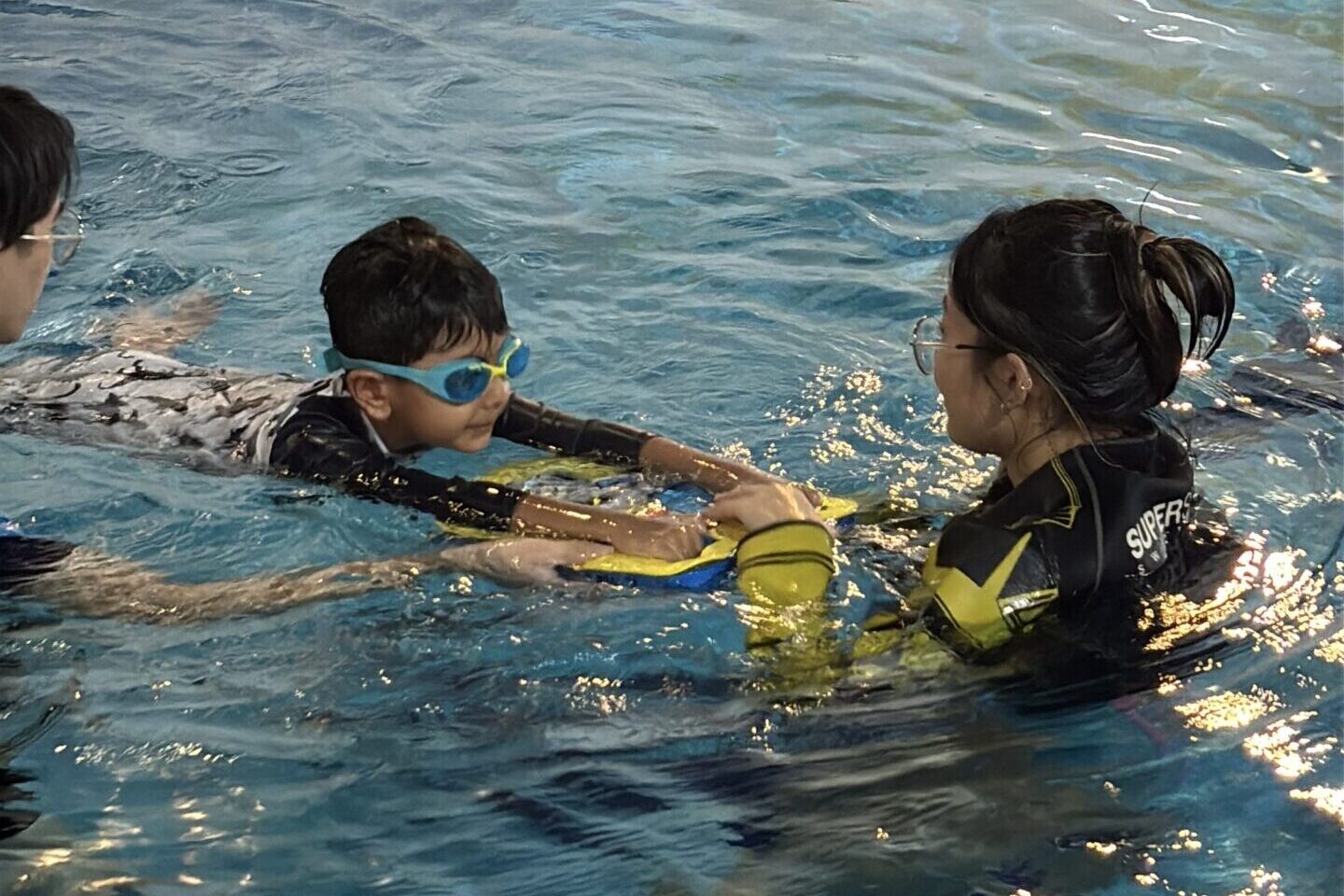
Quality programs focus on water familiarisation, trust building, and gentle progression. Early does not mean forcing submersion or ignoring fear.
Early means guided, age appropriate exposure.
What Safe Early Swimming Lessons Actually Teach
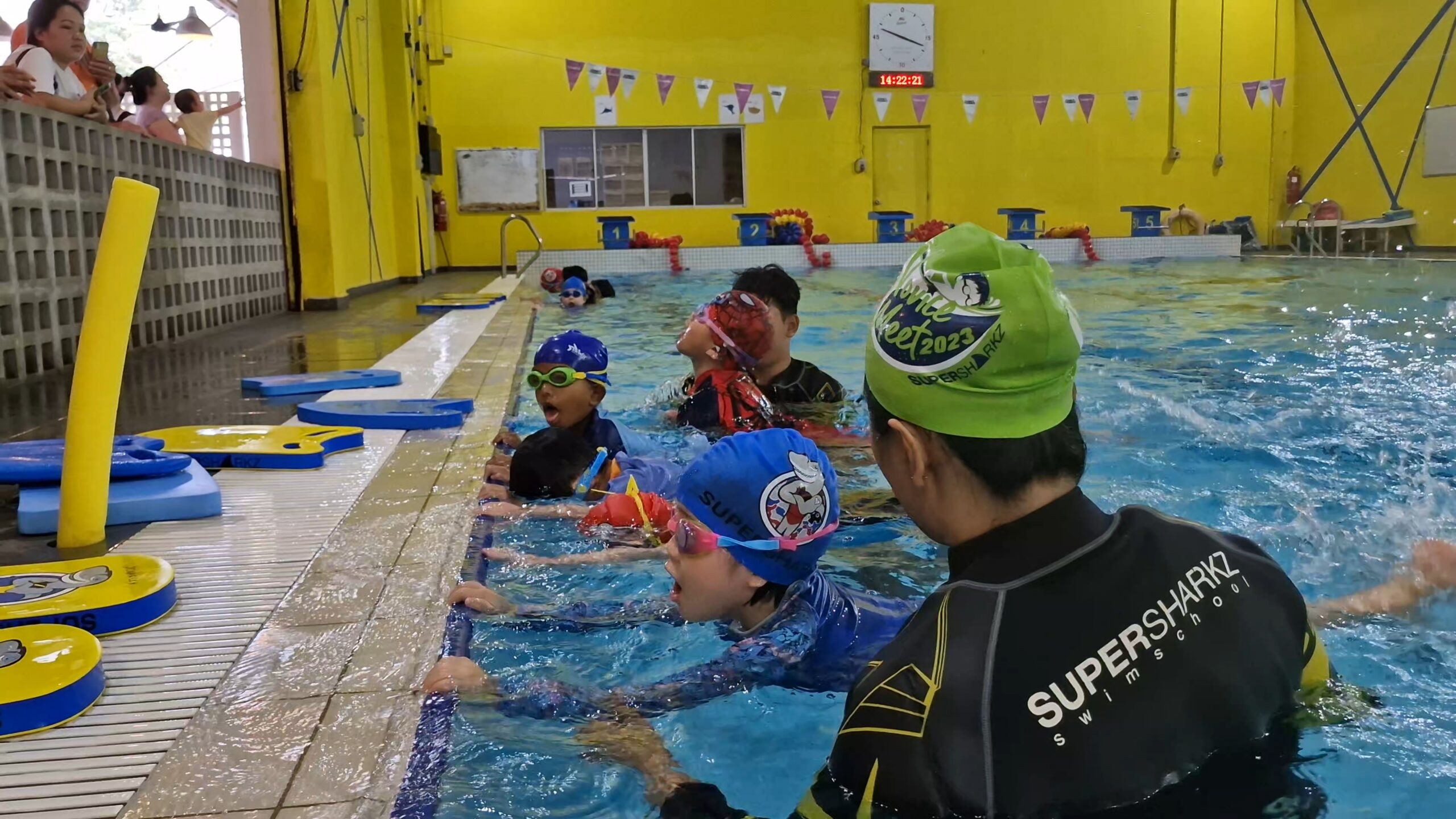
A proper early swimming program teaches children to respect water, breathe calmly, float and recover, move independently, listen to instructions, and stay calm under stress.
These are life skills, not just swimming techniques.
Why Parents Who Start Early Rarely Regret It
Parents who enrol their children early often say they wish they had started sooner. They notice increased confidence. They feel safer during holidays. Swimming becomes something their child looks forward to.
Regret usually comes from waiting too long.
How to Start the Right Way
If you are considering lessons:
- Choose a school with coaches trained in child development.
- Look for structured and progressive programs.
- Ensure safety is physical and emotional.
- Prioritise consistency over speed.
- Trust the process.
At Supersharkz Swim School, early swimming lessons are structured, child focused, and safety driven. We have seen fearful beginners become confident swimmers through patient and progressive teaching.
Final Thoughts for Parents
Not teaching your child to swim early doesn’t always show consequences immediately.
That’s why the danger is hidden.
But water doesn’t wait for children to be “ready.”
And accidents don’t wait for the “right time.”
Teaching children to swim early is not about pressure or performance.
It’s about giving them skills before they need them.
Ready to Take the First Step?
If your child hasn’t started swimming yet, the best time is now with the right environment, coaches, and approach.
👉 Book a trial swimming lesson
👉 Observe how your child responds
👉 Start building confidence, safety, and independence early
Supersharkz Swim School, Where Champions Are Born




Leave a Comment